
Civil claims involving abuse at hospitals and behavioral health facilities have become an active area of personal injury litigation, with many patients alleging mistreatment at facilities meant to provide safe, supervised care. The legal questions usually involve staffing, oversight, training, and how facility leadership responded to earlier complaints about the same employees or units.
Families in Illinois or Missouri looking to file an Acadia abuse lawsuit are often uncertain whether the available evidence connects the facility’s conduct to the injury and which laws and deadlines are applicable. Early review with a qualified attorney can preserve documentation and strengthen the foundation for a lawsuit.
Table of Contents
When a Hospital Abuse Lawsuit Becomes Reasonable
A civil case may make sense after severe injury, repeated neglect, or a serious event causes lasting harm. Families reviewing warning signs often look for reports of restraint use, inconsistent records, ignored distress, and poor staffing. A review can help determine whether the conduct may have breached accepted duties of care.
Warning Signs That Should Not Be Dismissed
Unexplained fractures, rapid weight loss, untreated infections, or fear around one worker may point to mistreatment. A patient who becomes withdrawn, panicked, or unusually confused may be reacting to harm. Missing property, blocked contact, or sudden isolation should also be cause for concern.
Common Conduct Behind These Claims
Hospital Abuse Lawsuit claims do not always involve obvious violence. Some focus on rough transfers, improper restraint, excessive medication, or delayed emergency response after visible distress. Others involve threats, humiliation, forced isolation, or punishment after a complaint. Ignored hygiene, missed doses, lack of hydration, or failure to respond to breathing problems are signs of neglect.
The Timing Issue
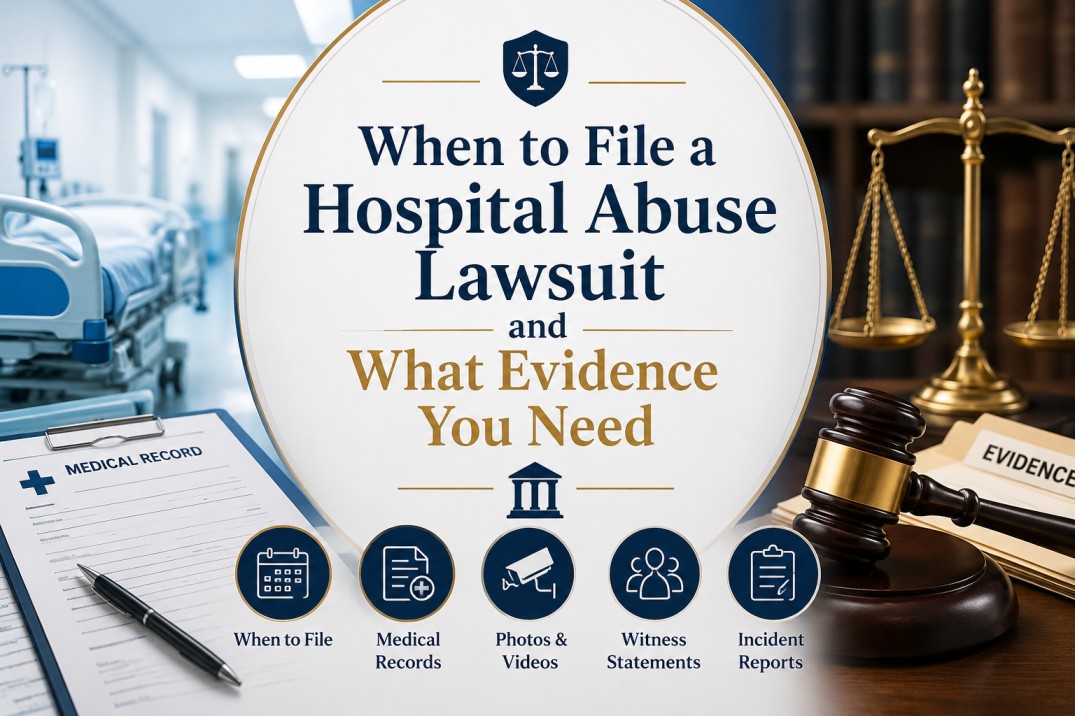
Filing should follow medical stabilization and preserve evidence as soon as possible. Every state sets deadlines for filing claims involving negligence, abuse, or wrongful death. Delays can make it difficult to obtain certain evidence, such as surveillance footage, and staff who witnessed the abuse may leave the facility. Early legal review helps protect records, identify responsible parties, and compare the sequence of events with records and treatment notes.
Medical Records Carry Significant Weight
The medical record often anchors the claim. Admission notes, nursing entries, medication logs, physician orders, incident reports, and discharge summaries may show what happened and when it occurred. Missing details matter as well: late additions, unexplained edits, or absent observations can raise serious questions. Billing records are also useful for showing that the patient was charged for services that are not reflected in the care record.
Photos and Physical Evidence
Dated images of bruises, restraint marks, pressure injuries, cuts, swelling, or unsafe room conditions can strengthen the claim. Families should also keep torn clothing, broken eyeglasses, discharge papers, and medication containers.
Witness Accounts Add Context
Independent witnesses can strengthen a case where paperwork feels inadequate. Roommates, visitors, transport workers, former employees, and external clinicians may have witnessed the abuse or heard threats. Consistent accounts can support credibility. Statements written soon after the event often help most because they preserve detail.
Complaints, Reports, and Prior Patterns
Earlier complaints may show that leadership was aware of unsafe conditions. Internal grievances, hotline reports, inspection findings, and prior claims can reveal a pattern of ignored risk. Staffing schedules deserve attention too. If too few trained workers were present, that shortage may connect directly to the injury.
Financial Losses Also Count
Physical injury is not the only loss that matters in civil court. Recoverable damages may include hospital bills, therapy costs, transport expenses, lost wages, and future care needs. Emotional suffering and loss of dignity may also be recognized under state law. Detailed receipts, invoices, and employment records help tie those losses to the event and show the extent to which the abuse disrupted daily life.
Building a Clear Timeline
Families should create a dated list of symptoms, room changes, complaints filed, phone calls, and external appointments, along with the names of attending staff. This chronology will help legal professionals compare each detail against notes in the medical record and the facility’s statements. It can reveal contradictions, delays in treatment, or sudden edits that deserve closer review by medical and legal professionals.
Legal Review Can Clarify the Next Step
A lawyer can assess whether the facts support negligence, abuse, wrongful death, or another civil claim. Early review also helps identify who may be liable, including employees, supervisors, contractors, or a parent company. Arbitration clauses or notice rules may affect the path ahead. Prompt guidance reduces avoidable mistakes during a stressful period and helps preserve evidence.
Types of Facilities Where Abuse Most Commonly Occurs
Hospital abuse claims are not limited to traditional inpatient settings. Psychiatric hospitals, residential behavioral health centers, detox and substance abuse units, and long-term care facilities all carry similar risks. Patients in these environments are often unable to advocate for themselves due to age, mental illness, sedation, or legal status, which makes oversight failures especially dangerous.
Large hospital networks and multi-facility chains present a particular concern. When a parent company operates dozens of facilities under the same policies, staffing standards, and training programs, a systemic failure can affect patients across multiple locations. This is why reviewing the ownership structure and complaint history of a facility is an important early step in any abuse investigation.
Conclusion
An Hospital Abuse Lawsuit against a hospital should be considered when the injury appears preventable and the available facts suggest misconduct, neglect, or unsafe management. Several forms of evidence, including medical records, photographs, witness statements, complaint history, and a reliable timeline, are usually required to build a strong case. Families need to take action quickly to preserve evidence and protect the patient’s rights.