
California consistently ranks among the highest states in the country for traffic collisions, and the aftermath of a serious crash often involves far more than vehicle damage. Medical bills, missed work, insurance calls, and ongoing pain can overlap in ways that make it difficult to know where your claim stands or what it is actually worth.
A car accident lawyer can bring structure to that process by preserving evidence, organizing your medical records, and calculating the full scope of your losses before any settlement discussion begins. Many of the same legal principles used in these claims are explained in our guide on how personal injury lawyers prove negligence to win compensation.
Table of Contents
Early Case Review
After a serious wreck, a car accident lawyer reviews police reports, photos, witness statements, repair records, and medical notes. That early review can reveal gaps in evidence, clarify how the collision caused the injury, and who was responsible, and prevent the claimant from accepting a quick settlement while treatment, symptoms, and household costs are still changing.
Evidence Collection
Useful evidence can disappear quickly. Attorneys request crash reports, traffic camera footage, vehicle data, dispatch logs, and photographs in a timely manner. They contact witnesses before their memories fade or contact details change. In disputed cases, reconstruction experts may explain factors such as speed, braking, impact angle, visibility, road design, and vehicle movement in terms an insurance evaluator can follow.
Medical Evidence
Records confirm a diagnosis and show pain patterns, mobility limits, treatment response, medication use, work restrictions, and future care needs. Organized medical evidence may include emergency notes, imaging, surgical records, therapy reports, specialist opinions, and plans for follow-up care. Clear documentation helps counter allegations that symptoms were minor or unrelated to the incident.
Damage Calculation
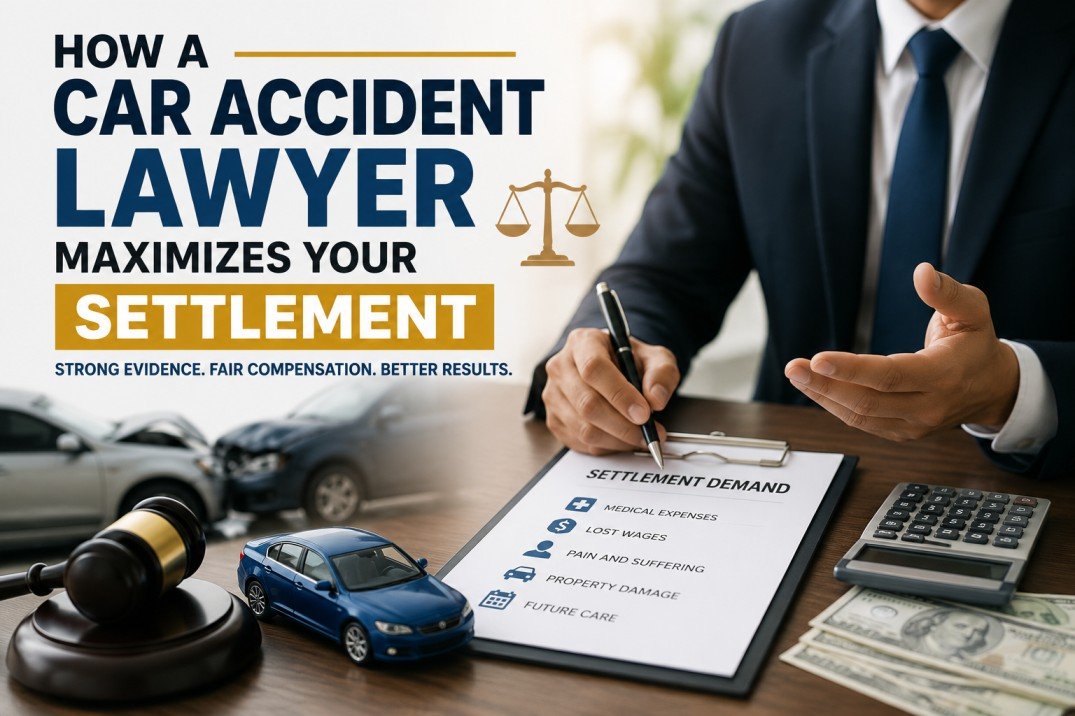
Attorneys review ambulance charges, hospital bills, surgery costs, therapy, prescriptions, injections, assistive devices, and future treatment. Lost income, reduced earning capacity, vehicle damage, rental fees, and travel expenses are taken into account as well. Receipts and wage records ensure that the claim can withstand scrutiny during negotiation.
Pain and Daily Impact
Sleep disruption, stiffness, nerve symptoms, anxiety in traffic, reduced lifting ability, and missed family duties can change daily life. Attorneys may use journals, provider notes, work restrictions, family statements, and activity records to demonstrate pain and suffering. That context helps connect physical harm with financial loss.
Fault Analysis
If the claimant is found to be partially at fault, their share of compensation can be reduced. A lawyer reviews lane position, traffic signals, right-of-way rules, skid marks, debris fields, phone records, and witness accounts. In states where comparative fault applies, even a small shift in assigned responsibility can change the final amount. Careful analysis can prevent an insurer from overstating the injured person’s role in the accident.
Insurance Communication
A lawyer manages calls, letters, and requests for documents and recorded statements from insurers. Clear communication prevents clients from making accidental admissions and providing incomplete answers. It also presses the insurer to explain delays, evaluate the evidence, and respond to the harm shown in the file.
Settlement Negotiation
Negotiation usually begins with a demand package that may include evidence of liability, medical records, bills, wage documentation, photographs, expert opinions, and a requested amount. If the initial offer is low, a lawyer responds with targeted evidence. Each response must clearly demonstrate why the offer falls short of reflecting the actual loss. Some insurers reassess risk only after a lawsuit is filed, as a trial-ready claim may expose weak defenses.
Medical Liens
Medical liens can affect what an injured person receives after settlement. Health plans, hospitals, clinics, and treatment providers may claim repayment from the recovery. A lawyer reviews those claims, checks whether amounts are valid, and may seek reductions. Lower balances can improve net recovery even when the insurer’s gross payment remains the same.
Deadlines
Every injury claim has time limits. Missing a filing deadline can prevent recovery, regardless of the strength of the evidence. A lawyer tracks limitation periods, notice rules, insurer deadlines, and court dates. Deadlines may vary when cases involve minors, government vehicles, rideshare crashes, uninsured drivers, and hit-and-runs.
Conclusion
Organized evidence, reliable medical support, accurate damage calculations, and steady pressure on the insurer are all necessary for maximizing the value of a settlement. The lawyer’s role is to connect the collision to real injuries, counter unfair allegations of fault, manage communications, review liens, and prepare for litigation if needed. No result can be promised, but strong advocacy ensures that settlement discussions are centered on documented harm, practical needs, and fair compensation.
Note: If your accident involved a motorcycle, note that Missouri requires riders to hold a valid Class M motorcycle license — licensing status can sometimes factor into liability disputes.


Comments (2)
[…] you or a loved one has been involved in a motorcycle crash, understanding how car accident settlements typically work can help you know what to expect from the claims process. Motorcycle accident cases […]
[…] Gaps in treatment give insurers grounds to argue the injury was minor, unrelated, or resolved. A lawyer cannot replace medical care, but legal guidance helps preserve the records needed to explain […]