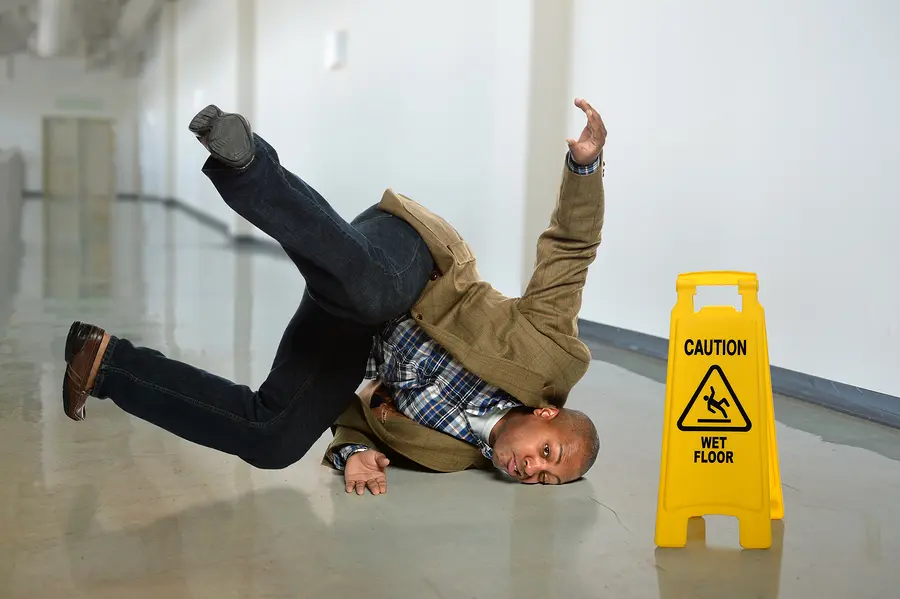
Falls are the number one reason Floridians end up in the emergency room for a non-fatal injury, according to the state’s health department. In 2025 alone, the state saw over 650,000 ER visits from such injuries, thousands of which included older adults as well In a coastal, retiree-heavy community like Port Orange, that risk hits especially close to home.
Not every fall is someone else’s fault. But when you slip on a wet floor or trip over a hidden hazard on someone else’s property, it’s only fair to ask: who’s actually responsible for this?
The answer is often more complicated than “the owner,” and getting it right matters. A Port Orange injury lawyer spends real time figuring out exactly who controlled the space and what they knew. That’s where liability tends to live.
A Fall Alone Doesn’t Prove Someone Was at Fault
Getting hurt on someone’s property doesn’t automatically mean they owe you money.
Two things have to be true: a hazard existed, and someone was responsible for letting it stay. A puddle you slipped in, a broken step, a pitch-dark stairwell: each might create liability, but only if the right party failed to act. The injury is the starting point, not the whole case.
Who Can Actually Be Held Liable
More than one party can share the blame, and it isn’t always the name on the deed.
A property owner is the obvious candidate. But a business that leases and runs the space may control it day to day. A management company might handle the common areas, and a cleaning or maintenance contractor could be responsible for the exact spot where you fell. Who controlled the hazard usually matters more than who technically owns the building. Tracing that control is often the heart of the case.
Why Your Reason for Being There Matters
Florida law also cares about why you were on the property. It sorts visitors into categories, and each is owed a different level of care.
A customer in a store is an invitee, owed the highest duty to keep the place reasonably safe. A social guest is a licensee, owed a bit less. Someone with no permission to be there is owed the least of all. Figuring out which category fits you shapes what the owner was required to do in the first place.
Florida Makes You Prove They Knew
This is the part that trips up many claims. In Florida, it isn’t enough that a dangerous condition existed. You have to prove the business knew about it.
Under Florida Statute 768.0755, if you slip on a spill or other temporary substance in a business, you must show the business had actual or constructive knowledge of the danger. Actual knowledge means they knew about it. Constructive knowledge means it sat there long enough that they should’ve.
Spills Aren’t the Only Kind of Hazard
That knowledge rule applies to a specific situation: a temporary substance on the floor of a business. Not every fall is covered by that rule.
If you were hurt by a broken stair, a crumbling walkway, bad lighting, or an unmarked drop-off, the case usually runs on general premises liability rules instead. Those look at whether the owner kept the property reasonably safe and whether they should have caught and fixed the danger. The exact legal path depends on what you fell on and where it happened.
Act Fast, Because the Evidence Won’t Wait
Urgency in slip-and-fall cases exists because the proof you need has a short shelf life.
Spills get mopped, broken rails get fixed, and surveillance footage gets recorded over, often within days. So if you can, photograph the scene and the hazard right away. Report the fall and ask for a written incident report. Get names from any witnesses nearby. And have someone request that the store preserve its video before it quietly disappears.
So who can be held liable when a slip-and-fall causes an injury? Potentially the owner, the business, a manager, or a contractor, depending on who controlled the hazard and knew it was there. Pin down who was responsible, prove what they knew, and lock in the evidence early; a competent lawyer will already know how to help you with all this. That’s how a painful fall becomes a claim that actually holds up.