
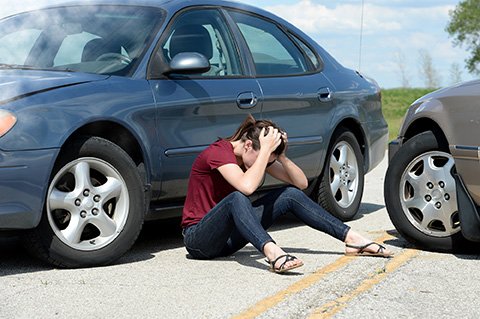
Rancho Mirage has a mix of resort traffic, local errands, and drivers moving through the Coachella Valley on major roads. Local records show 874 traffic crashes were reported in the city from January 1, 2022, through December 31, 2024. Different accidents can call for different evidence, legal rules, and insurance issues.
A Rancho Mirage personal injury lawyer may approach a claim differently depending on how the injury happened. A rear-end crash, motorcycle collision, slip and fall, truck wreck, or defective product case can raise very different questions. The accident type is only the starting point.
Car Crashes Often Turn on the Roadway Story
In a typical vehicle collision, the key questions may include who had the right of way, whether someone was speeding or distracted, and how the impact occurred.
Photos of the vehicles, traffic signals, road markings, witness accounts, and the police report can all help. California requires drivers to carry liability insurance, while uninsured and underinsured motorist coverage may help in certain situations when the other driver cannot fully cover the loss.
A claim may look simple at first and become more involved once injuries or disputed fault enter the picture.
Motorcycle Crashes Can Raise Different Issues
Motorcyclists face a different physical risk in a collision because there is far less protection between the rider and the road or another vehicle.
That can mean more serious injuries and a longer recovery. The investigation may also need to consider whether another driver noticed the motorcycle, how the motorcycle was positioned, and what the roadway looked like before impact.
California’s comparative-fault rules still apply. A person’s own conduct can affect the amount recovered when that conduct contributed to the injury.
A Truck Crash May Involve More Than One Business
Commercial truck cases can bring another layer to the investigation. The driver may be only one part of the story.
The trucking company, vehicle owner, maintenance provider, cargo handler, or some other business may have information that sheds light on what happened. Records of the driver’s work, vehicle, loading of cargo, or maintenance may help explain what happened.
Truck accidents can involve larger vehicles, heavier impacts, and more complicated insurance arrangements than an ordinary passenger-car collision.
Slip-and-Fall Claims Focus on the Property
The setting changes dramatically when an injury occurs in a store, hotel, restaurant, office, or other property.
The issue may be a wet floor, broken surface, poor lighting, missing warning sign, or another hazardous condition. The investigation can center on whether the property owner or operator knew about the condition, should have known about it, and had a reasonable chance to address it. Photos of the area and records showing when the condition was reported can be useful.
Product Injuries Follow Another Path
Sometimes the accident is not about a road or property at all. A defective product may be the source of the injury.
These claims can involve the product’s design, manufacturing, warnings, or instructions. Keeping the product, packaging, receipts, photographs, and other related materials may be important. The legal theory can differ too, which is why the accident type matters from the start.
The Same Injury Can Lead to Different Questions
Two people might suffer similar injuries but have very different claims.
A broken wrist from a motorcycle crash may require an investigation into traffic behavior. The same injury from a fall at a business may depend on the condition of the property. A wrist injury caused by a defective tool may raise product-liability questions instead. The medical treatment may look similar. The legal work does not.
Why the Accident Type Matters
California courts list car crashes, slips and falls, workplace injuries, and other events among common personal injury cases. The court system also notes that personal injury claims can involve physical and emotional harm and may seek compensation for medical bills, lost wages, and other losses.
That variety is a reminder that there is no single checklist for every injury claim. First, you need to find out how the accident happened, who might be to blame, and what evidence backs up the version of the accident.
Determining the type of accident can help direct the investigation for the injured. The conditions under which an injury occurs, whether it is a busy roadway, a hotel hallway, or a defective product, often dictate what happens next.