
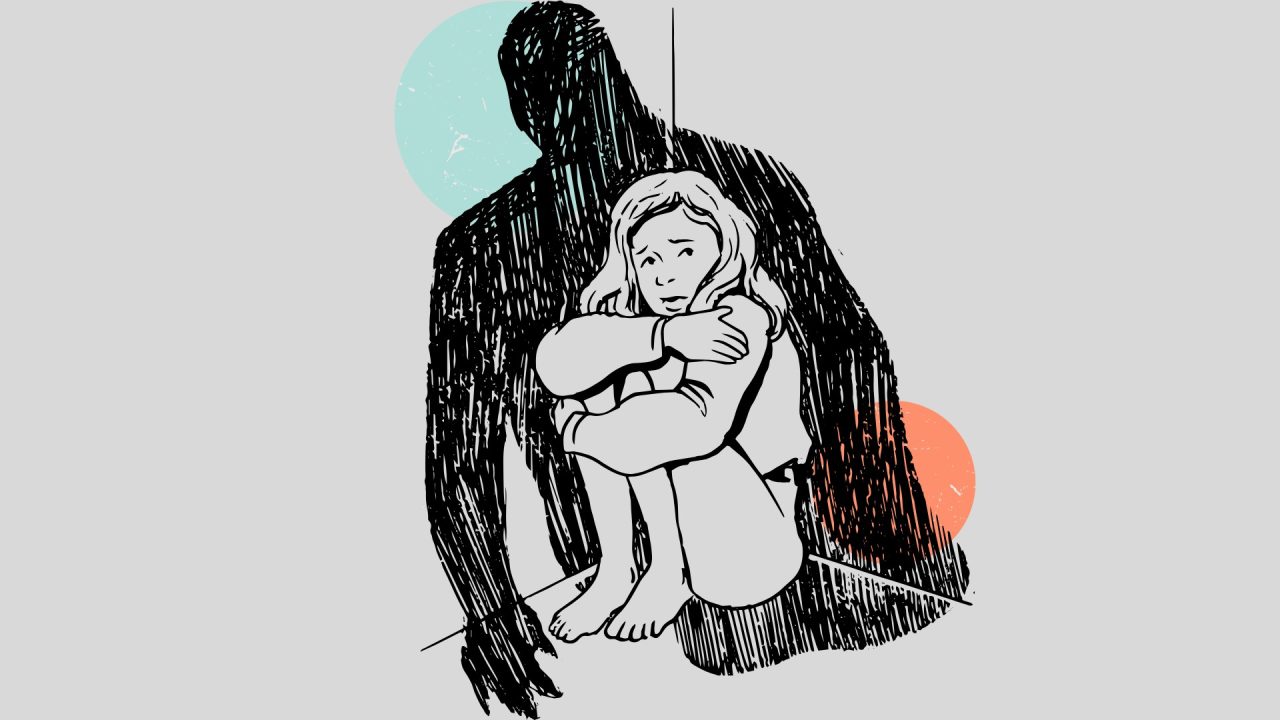
Domestic violence is a grave problem which also impacts millions annually throughout the United States of America. One of the most very hyped questions of victims, accused individuals, and their families ask is: is domestic violence a felony? Or it just a misconception?
The answer is not very simple. In many cases Domestic Violence is Felony It also depends on many factors. – Also the factors and terms include how serious the act was. They also consider where it happened or when it is happened
- – Past criminal history is another factor.
- – Details like injuries or weapon use are important too.
In this blog, we will attempt to break down the entire information regarding Is Domestic Violence a Felony or a misdemeanor. We will explore the state variations, federal legislation, punishment, and what to do in the case of charges or seeking protection. No matter the reason why you may be seeking the information, it is all important to understand.
Table of Contents
What Is Domestic Violence?
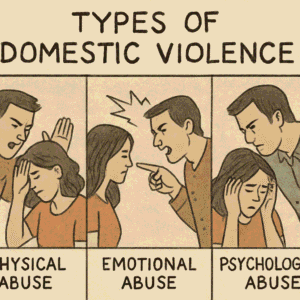
A definition could be that Domestic violence (also known as “intimate couples violence” or “family violence”), which is also known as “bad or abusive behavior in a domestic relationship.” Which also includes the following bulleted points:
- Physically abuse (It can be hitting, pushing, choking)
- Emotionally and psychological abusive acts (Like threats, isolation, manipulation)
- Sexual abuse between both partners
- Economic control
- Stalking or harassment
Legally, the domestic violence and domestic acts typically involves acts against:
- Current or former spouses
- Dating partners or former dating partners
- Cohabitants (people living together)
- Parents of a shared child
- Family members or household members
All 50 states in the country criminalize domestic violence. In addition, there is no federal crime for “domestic violence” under ordinary circumstances but, instead, state authorities prosecute it under laws like assault and battery, or under specific domestic violence statutes.
Is Domestic Violence a Felony or Misdemeanor?
Domestic violence is a serious issue that affects individuals across all demographics. It can lead to severe physical and emotional harm. But when it comes to the legal consequences, many people are unsure whether domestic violence is classified as a felony or a misdemeanor. The answer isn’t always straightforward, as it depends on several factors including the severity of the crime and the state in which it occurs. In this article, we’ll delve into the complexities of domestic violence charges and explore how they are classified across various states.
Misdemeanor Domestic Violence
Most first offenses and less serious offenses begin as a misdemeanor. Typical scenarios which is strictly includes:
A little touching and no actual harm (pushing and/or slapping that does not result in visible injury)
- Threats without weapons
- No previous convictions
The usual punishment for misdemeanors is:
- Up to 1 year of imprisonment in county jail.
- Fines took upto ($1,000) and goes to $5000
Mandatory counselling or batterer intervention programs should not be neglected. Restraining orders.
When Is Domestic Violence Considered a Felony?
Domestic violence becomes a felony when aggravating factors are involved. Common factors that often make the crime a felony which includes below points.
- Serious Injury on any body parts: If the crime involves substantial injury to the victim, which is including but not limited to like bone fractures or concussions, it strongly indicates a felony crime.
- Use of any Deadly Weapon: If the crime involves using a firearm, a knife, or any sharp object such as a weapon greatly increases the severity of the charges.
- The Prior Convictions: The Recidivist offenders, especially those with prior convictions for domestic violence, are more likely to be charged with a felony even upon a relatively minor incident.
- Presence of Children: When children witness and if they are seeing the whole act of the violence or are placed at risk, the authorities might be elevate charges brought, therefore possibly including counts of child endangerment.
- Strangulation or Choking: Because strangulation has a high probability of causing death, many jurisdictions consider it a felony.
- Protective Order Violation: Failure to adhere to a restraining order often leads to felony charges.
- Great Bodily Injury Enhancements: In Many Many jurisdictions, Which including California, provide additional prison terms for causing great bodily injury. In many states, some forms of domestic violence are considered “wobblers,” meaning that prosecutors have discretion to charge them as either misdemeanors or felonies, depending on the specific circumstances of the case and the defendant’s record.
What Determines Whether Is Domestic Violence a Felony or a misdemeanour?
When considering whether domestic violence is a felony or a misdemeanor, the main factors include the severity of the incident, the offender’s criminal history, and the laws of the state where the offense occurred. Because criminal law enforcement falls under reserved powers of the states, each state defines and prosecutes domestic violence differently. Generally, misdemeanors are less severe offenses that may involve minor injuries, whereas felonies involve more serious harm or repeated offenses.
Severity of the Incident
The most significant factor in determining the charge is the severity of the incident. If the domestic violence results in serious bodily injury, involves a weapon, or poses a significant threat to the victim’s life, it is more likely to be charged as a felony. On the other hand, if the incident involves minor injuries or threats without physical harm, it may be classified as a misdemeanor.
Offender’s Criminal History
The offender’s past behavior also plays a crucial role. If the person has previous convictions for domestic violence or other violent crimes, subsequent offenses are more likely to be charged as felonies. This escalation is intended to deter repeat offenses and protect victims from further harm.
Examples by State
Laws vary significantly by state. Here’s a breakdown of common approaches:
California:
- Domestic battery (no injury) is always a misdemeanor (Penal Code 243(e)(1)).
- Corporal injury to a spouse or intimate partner is a wobbler under Penal Code 273.5. It is often a felony if there is serious harm or past offenses.
- Felony penalties: 2–5 years in prison, fines up to $10,000.
Texas:
- First-time assault on a family member is a misdemeanor.
- With priors or serious injury/weapon, it becomes a felony (often second- or third-degree).
- Repeat offenses can lead to enhanced penalties.
New York:
- Simple assaults are misdemeanors.
- Aggravated cases (weapon, serious injury) are felonies.
Florida:
- Basic domestic battery is a misdemeanor.
- Aggravated battery or repeat offenses are felonies.
Arizona:
Third offense within 84 months is aggravated domestic violence – a class 5 felony Other states like Illinois, Tennessee, and Colorado have similar legislation. They consider minor incidents misdemeanors. They term aggravated or repetitive crimes felonies.
Keep in mind that laws are always subject to change. Sometimes, changes can happen within a short period. For instance, most states had updates in 2025 that specifically dealt with higher sentences for strangulation.
Misdemeanour vs. Felony: How Domestic Violence Charges Are Classified
Domestic violence charges are classified based on severity and circumstance. This classification distinguishes between misdemeanors and felonies.
A misdemeanor domestic violence charge generally involves less severe incidents. These could be minor injuries or threats. Penalties might include probation, fines, or brief jail terms.
Felony charges, however, are more serious. They often involve severe injuries, or weapons. The repercussions are harsher, leading to significant prison sentences.
Factors affecting classification are diverse. Key considerations include:
- Extent of the victim’s injuries
- Presence of prior convictions
- Use of weapons during the incident
Judges weigh these factors during court proceedings. Their decisions are influenced by the evidence presented.
Additionally, the prosecutor’s discretion plays a vital role. They assess the evidence and circumstances before deciding on the charge level.
Understanding these classifications is essential. It determines the legal process and consequences faced. Knowing the differences helps you prepare for potential outcomes in court.
Common Types of Domestic Violence Charges
Domestic violence encompasses various charges. Each has unique legal implications. Understanding these types can guide those involved.
Domestic Battery is a prevalent charge. It involves intentional infliction of harm. Physical attacks fall under this category.
Assault, on the other hand, doesn’t need physical contact. Threatening behavior can be enough. It creates fear of harm in the victim.
Stalking involves repeated, unwanted attention. It causes anxiety or fear. Persistent harassment is often included under this charge.
Criminal Restraining Order Violations happen when orders are breached. These are issued to protect victims. Ignoring them can lead to severe penalties.
Harassment is another key charge. Unwanted behavior intended to annoy or threaten. It often occurs through various communication channels.
Other common charges include:
- Child endangerment
- Elder abuse
- Kidnapping or false imprisonment
Understanding these charges helps in legal discussions. Knowing what constitutes a specific offense can aid in defense strategies.
Federal Domestic Violence Laws
While most cases are state-level, federal law steps in for interstate or specific scenarios:
- Congress first passed the Violence Against Women Act (VAWA) in 1994. They reauthorized it several times, with the latest reauthorization in 2022. VAWA gives money for victim services, improves tribal jurisdiction, and sets federal crimes for:
- Crossing state lines to commit domestic violence (18 U.S.C. § 2261).
- Interstate stalking or violating protection orders (18 U.S.C. § 2261A, § 2262).
- The Lautenberg Amendment is part of the Gun Control Act. If someone is convicted of a “misdemeanor crime of domestic violence,” they cannot own firearms for life. 18 U.S.C. § 922(g)(9) states this. This applies even if the state charge was a misdemeanor.
Federal penalties for interstate crimes can include:
- Up to life in prison if death results
- 5–20 years for bodily injury
- Enhanced for weapons or patterns of abuse
Penalties for Felony Domestic Violence
| Penalty Type | Typical Range for Felony Domestic Violence (DV) |
|---|---|
| Prison Time | 1–10+ years (state prison, not county jail) |
| Fines | $5,000–$50,000+ |
| Probation | 3–5 years of formal probation |
| Counseling | Mandatory 52-week batterer intervention programs |
| Restraining Orders | 5–10 years or permanent |
| Firearm Rights | Lifetime ban under federal and state law |
| Other Consequences | Loss of professional licenses, immigration consequences, child custody restrictions, long-term employment barriers |
How Domestic Violence Charges Vary by State
Each state in the U.S. has its own set of laws and guidelines for classifying and prosecuting domestic violence. Below, we examine how some states approach this issue.
Is Domestic Violence a Felony in Florida?
In Florida, domestic violence can be either a felony or a misdemeanor, depending on the circumstances. Simple domestic violence, involving minor injuries, is typically charged as a misdemeanor. However, if the violence results in serious injury or involves a weapon, it may be classified as a felony. Repeat offenses also increase the likelihood of felony charges.
Is Domestic Violence a Felony in Ohio?
Ohio treats domestic violence as a serious offense, and it can be charged as either a misdemeanor or a felony. The charge largely depends on the severity of the incident and the offender’s previous criminal record. In Ohio, even first-time offenses can be charged as felonies if they involve serious harm or the use of a weapon.
Is Domestic Violence a Felony in California?
California has specific laws that categorize domestic violence as either a felony or misdemeanor. The state considers the severity of the incident and any prior convictions. Aggravated domestic violence, which includes serious bodily injury or use of a weapon, is usually charged as a felony. Lesser offenses might be charged as misdemeanors, especially for first-time offenders.
Long-Term Consequences Beyond Punishment
A felony domestic violence conviction impacts life far beyond court:
- Employment: Background checks often disqualify for jobs in healthcare, education, law enforcement, or finance.
- Housing: Landlords may deny rentals.
- Immigration: Non-citizens risk deportation.
- Child Custody: Courts prioritize child safety, often limiting or denying custody/visitation.
- Professional Licenses: Revocation for teachers, lawyers, nurses, etc.
Even misdemeanor convictions trigger firearm bans and restraining orders.
Defenses and Reducing Charges
If charged, common defenses include:
- Self-defense
- False accusations
- Lack of evidence
- Accidental injury
Experienced attorneys often negotiate reductions from felony to misdemeanour, especially for first-time offenders with mitigating factors.
In cases involving young people close in age, the Romeo and Juliet law may also serve as a legal defence — protecting individuals from being charged as sex offenders for consensual activity with someone near their own age.
Resources for Victims and Support
If you’re experiencing domestic violence:
- National Domestic Violence Hotline: 1-800-799-7233 (SAFE) or text “START” to 88788
- Local shelters and legal aid
- Protective orders through courts
Victims have rights to safety planning, housing assistance, and more under VAWA.
Conclusion: Is Domestic Violence Always a Felony?
No—domestic violence is not automatically a felony. It often starts as a misdemeanor but becomes a felony with aggravating factors like injury, weapons, or priors. The classification has massive implications for penalties and future opportunities.
If you’re dealing with domestic violence—as a victim or accused—seek professional help immediately. Laws evolve (with 2025 updates strengthening protections in many areas), so consult a local attorney for personalized advice. Or you can read related article on Uncontested Divorce


Comments (1)
[…] they form a complete legal ecosystem. Legal systems also deal with real-life issues such as domestic safety and personal protection, which are part of everyday legal […]